
What is generative 3D? A production-first definition
A field guide to models that synthesize shapes, scenes and spatial representations - And the work required before game use.
G3D.AI is the production field guide for turning text and images into 3D assets, levels and systems - Then proving the results work in an engine. Learn how to brief, inspect, clean and validate generative 3D outputs before they enter a production build.
Generative three-dimensional systems create or transform spatial content from language, images, video, sketches or structured rules. A compelling render is a proposal. A game-ready 3D asset is a tested deliverable.
Read the definition →The original G3D.AI imagined text as the interface to game creation. Today the production question begins one level deeper: what evidence does the input provide, and what does the model have to invent?
Each hub owns a real production problem. The spokes go deep enough to help a creator make a decision, run a check or improve a workflow.
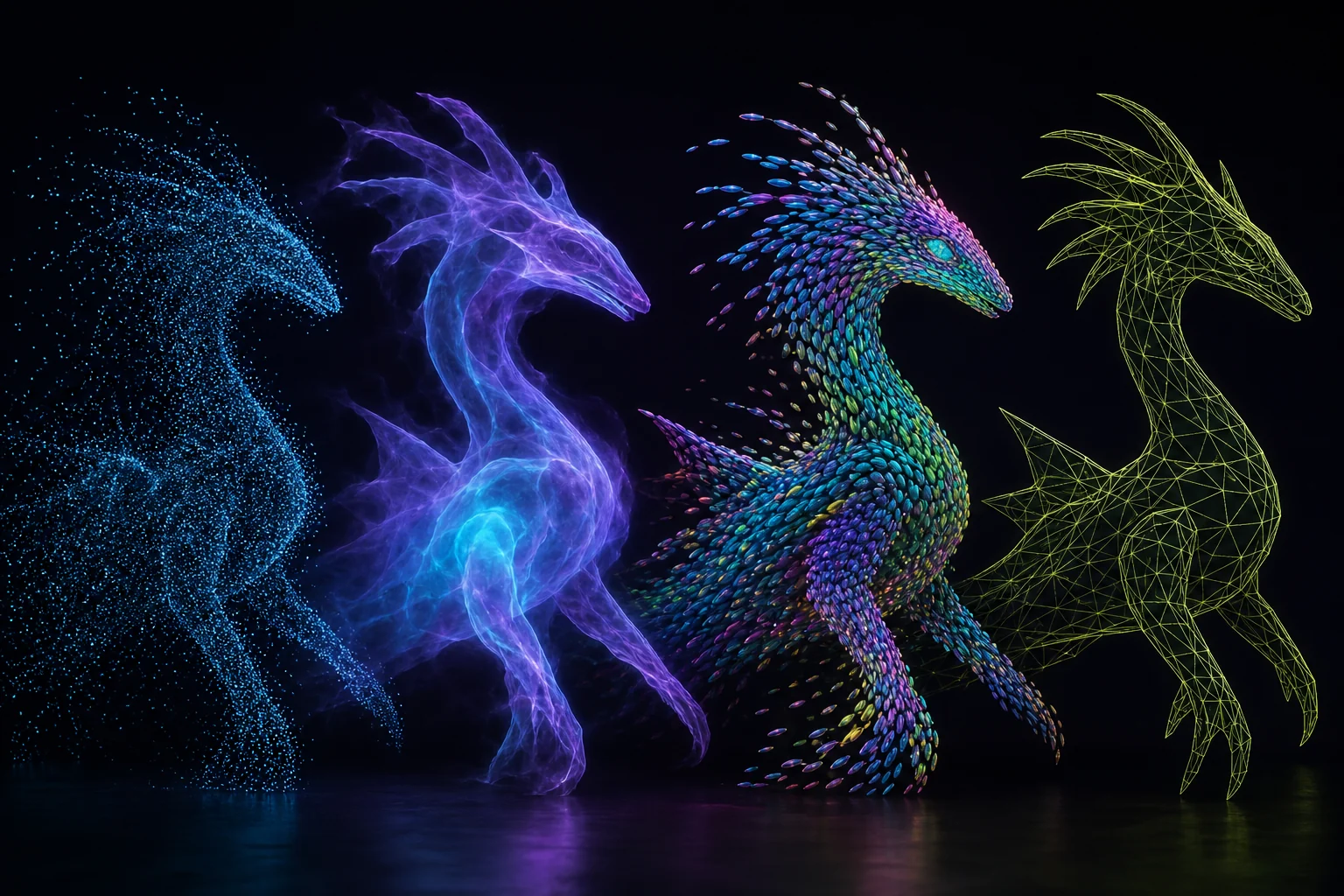
Learn how generative 3D models are trained, evaluated and prompted, and how meshes, NeRFs, splats and reconstruction methods differ for games.
Open the complete hub →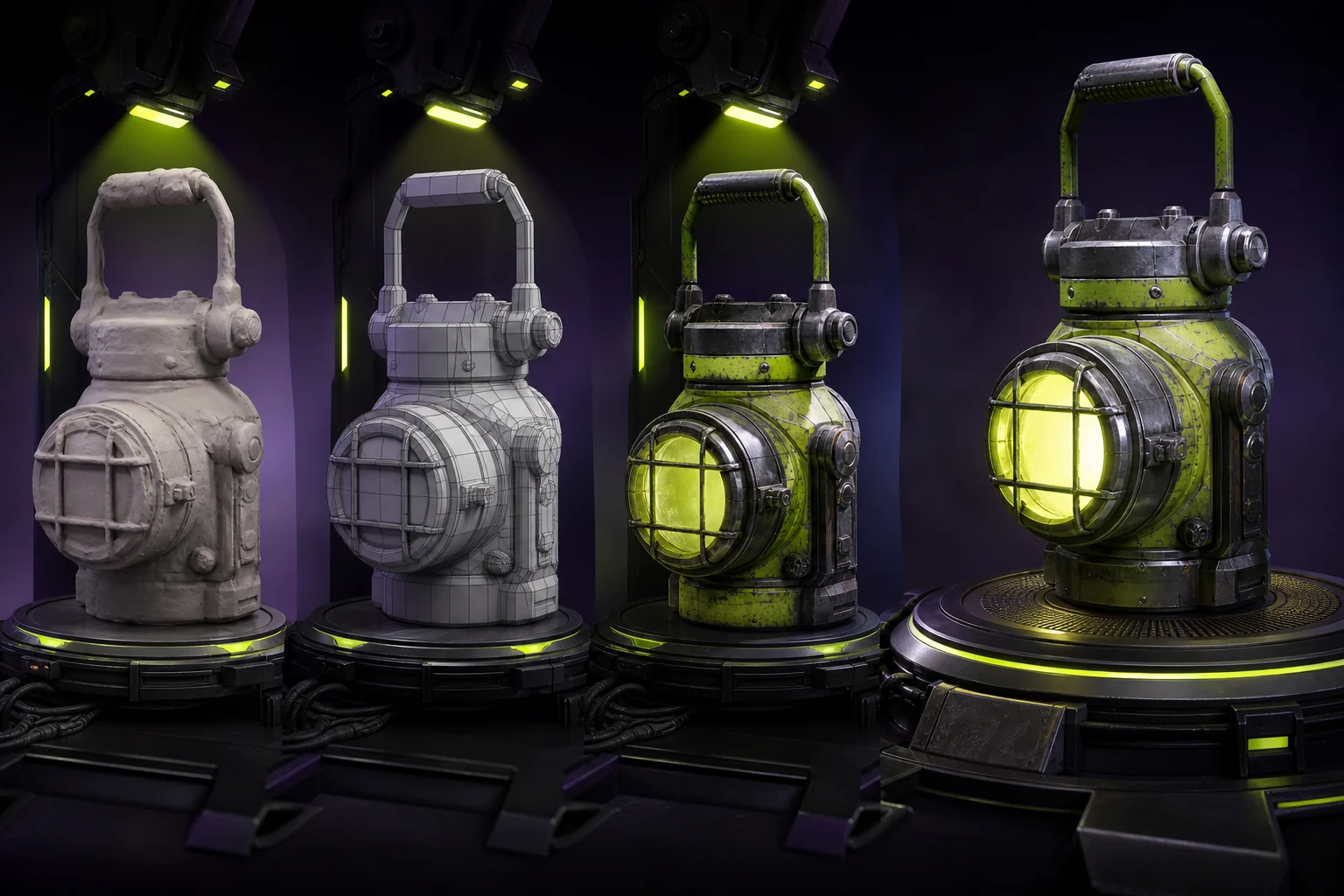
Build dependable AI-assisted 3D game assets with guides to prompts, Blender cleanup, topology, UV baking, materials, collision, rigging and motion.
Open the complete hub →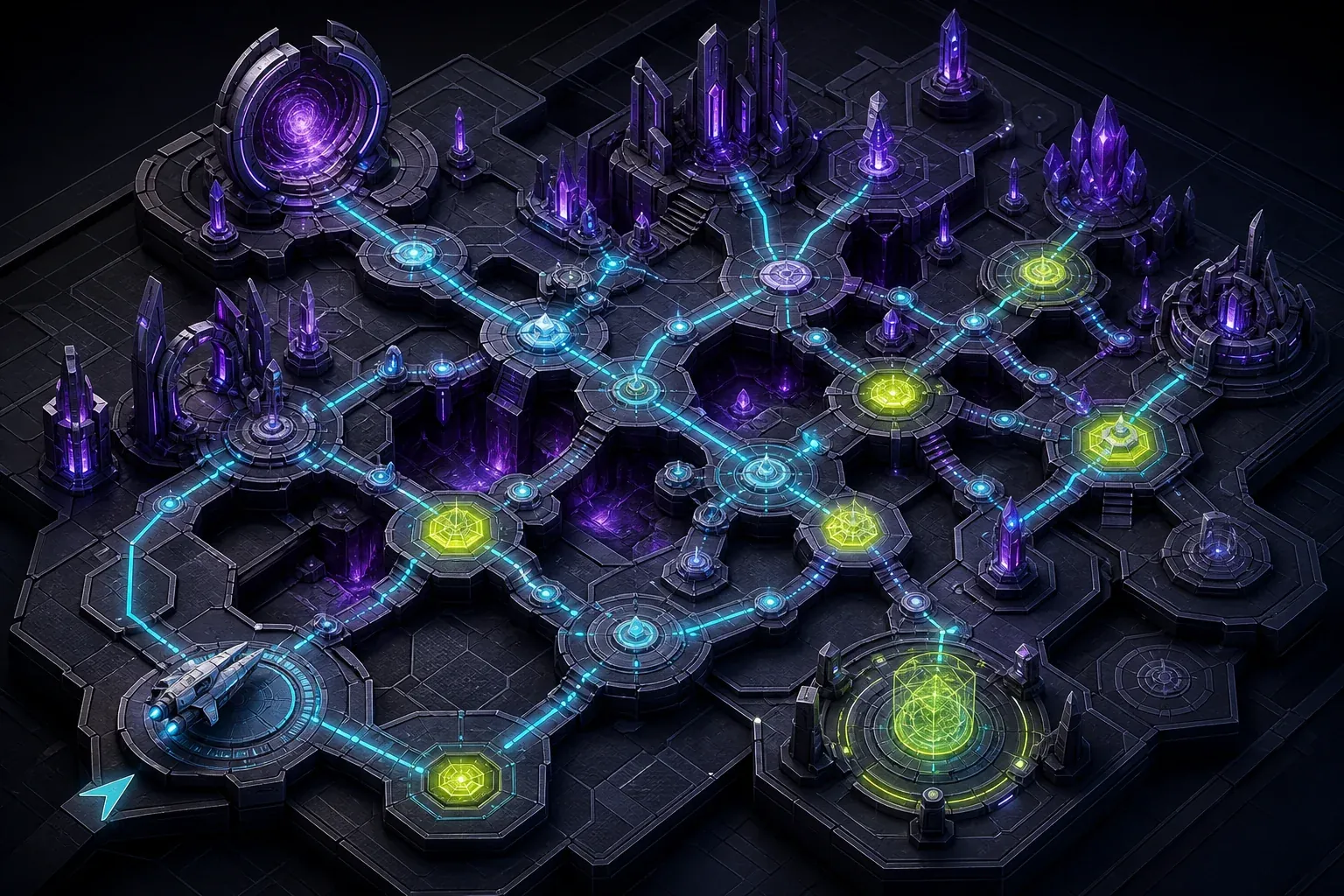
Use AI for terrain, levels, NPCs, mechanics and narrative while keeping traversal, rules, safety, validation and playtesting under human control.
Open the complete hub →
Compare AI 3D tools, formats, compression and validation; version assets, move them into Unity, Unreal or Godot, and document provenance.
Open the complete hub →A useful pipeline keeps creativity broad and acceptance strict. Every guide uses the same production lens without forcing unrelated questions into duplicate pages.
Define the role, target, constraints and rights before generating.
Create candidates with retained inputs, versions and seeds where available.
Inspect geometry, materials, interaction, provenance and performance.
Test the accepted deliverable in the target engine and scene.
Use one protocol to retain briefs, versions, raw exports, rejected runs, cleanup time and engine observations. The lab publishes blank records and acceptance templates now; completed comparisons will appear only when their source files and limitations can be inspected.
Open the evidence lab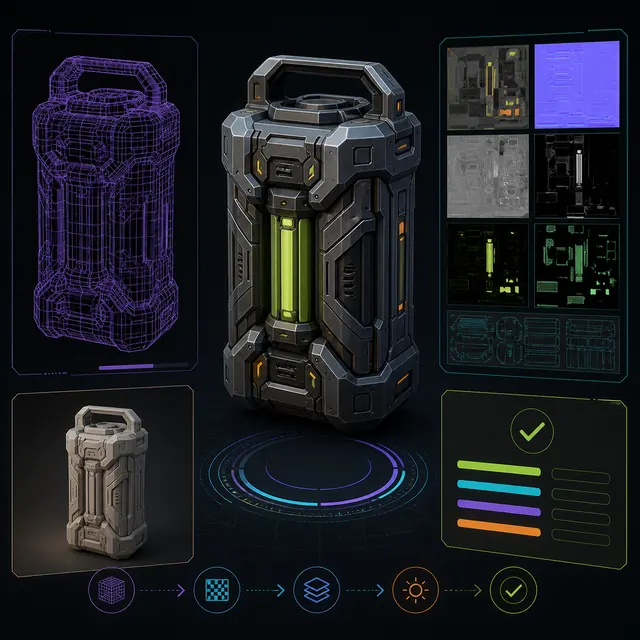
The original G3D.AI {Jedi} described a suite for 3D assets, level design, gameplay mechanics and narrative creation from text. This publication preserves that on-topic history while making no claim that the former beta service is live.
Read the transparent archive
A field guide to models that synthesize shapes, scenes and spatial representations - And the work required before game use.

From language conditioning and image priors to explicit meshes, this guide explains the major text-to-3D routes without demo-page shorthand.
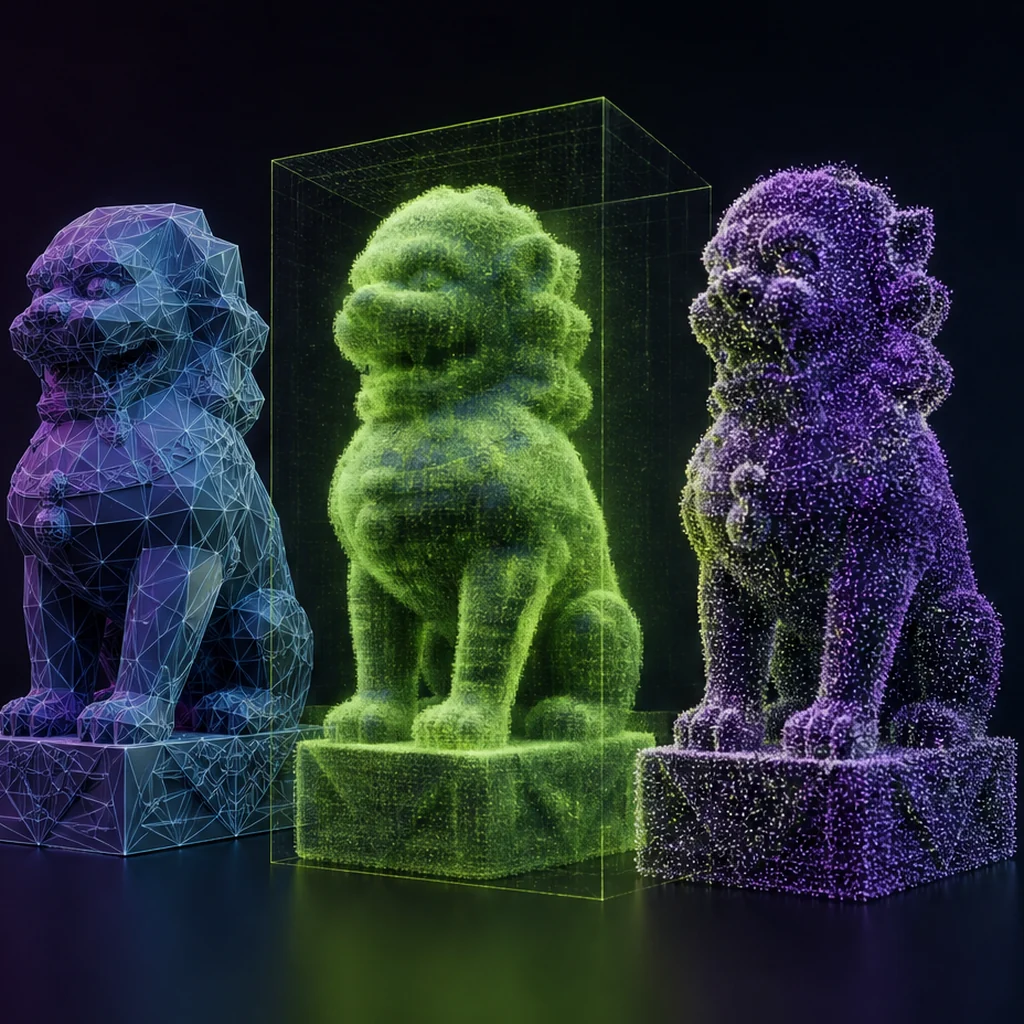
Choose a spatial representation by editability, runtime and gameplay needs - Not by screenshot quality.
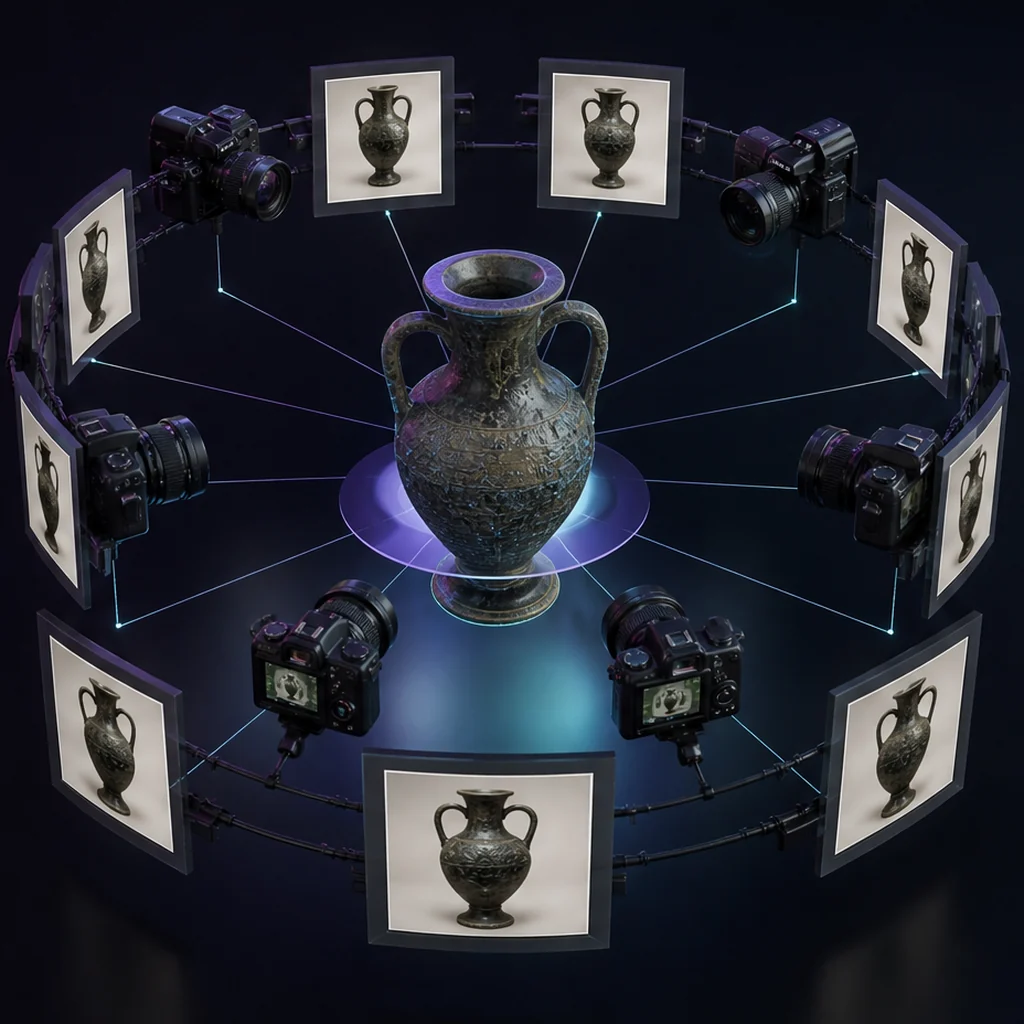
A practical explanation of single-image and multi-view reconstruction, with capture advice and honest limits.
Estimate polygon distribution, texture memory and LOD targets in your browser. The tools make their formulas visible and never pretend to generate a 3D model.
Open production toolsINPUT HERO_PROP VIEW 4–18 METERS BUDGET 48,000 TRIANGLES LOD_1 24,000 / 50% LOD_2 8,000 / 17% PROOF IN_ENGINE = REQUIRED