FIELD NOTES / GENERATIVE 3D / GAME PRODUCTION30 SOURCED GUIDES · 4 PRODUCTION HUBS

GENERATIVE 3D GUIDES FOR GAME DEVELOPMENT.

30 focused guides connect research representations to asset craft, playable systems, engine delivery and responsible production.

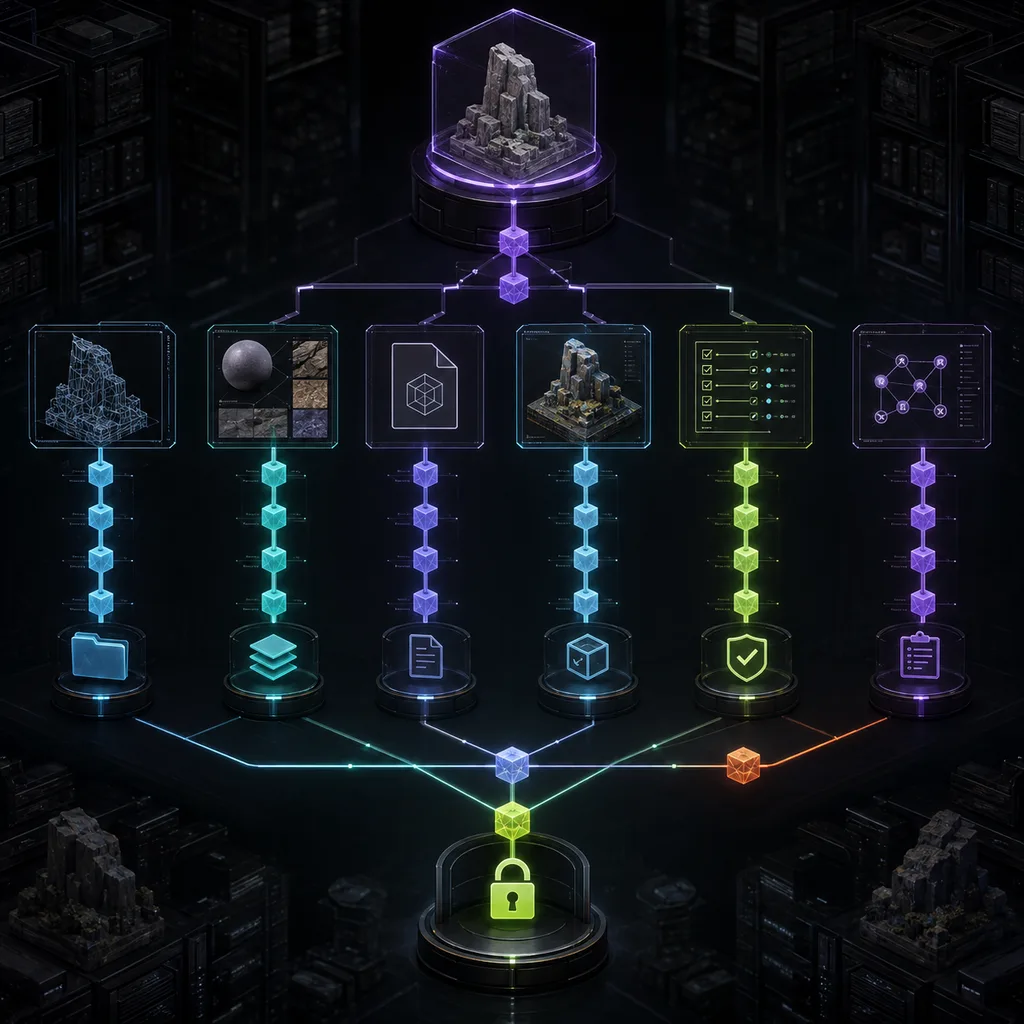
A dimensional research atlas linking mesh, material, level and production knowledge
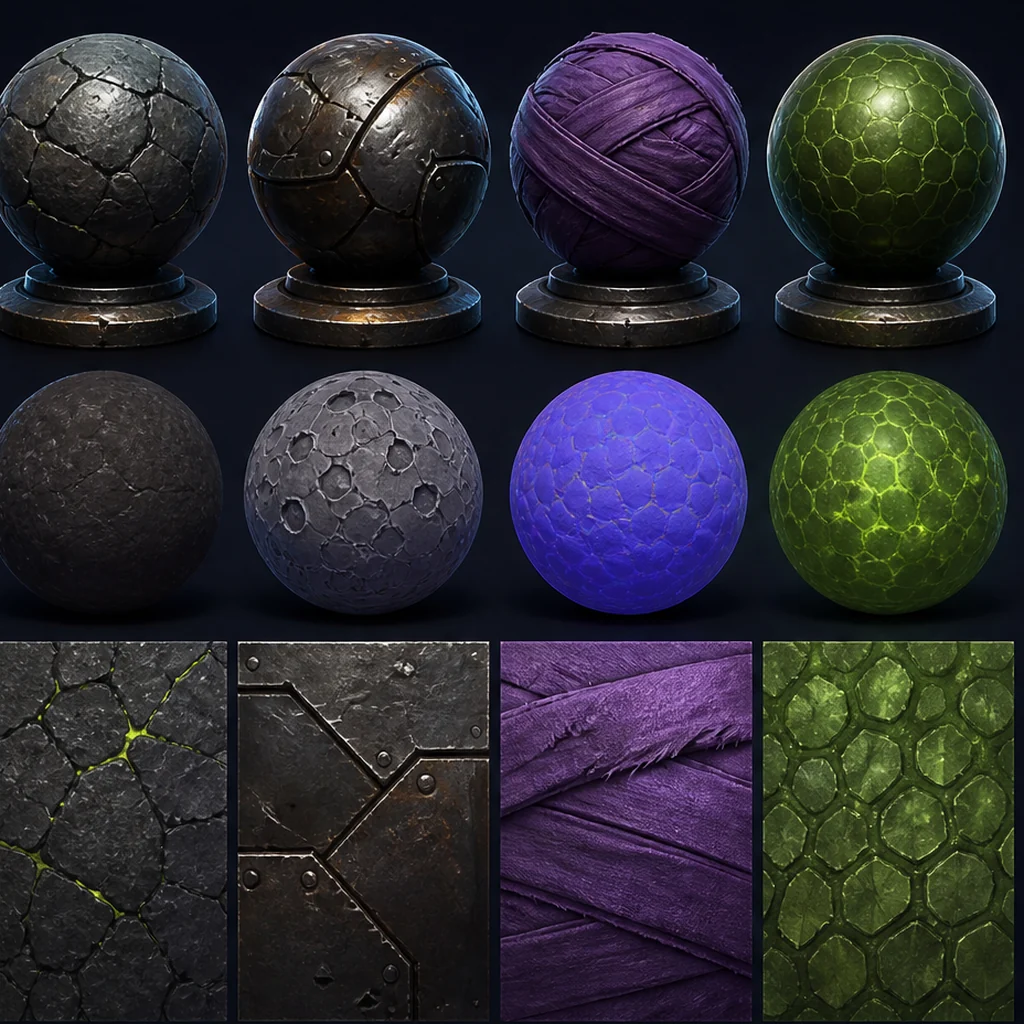
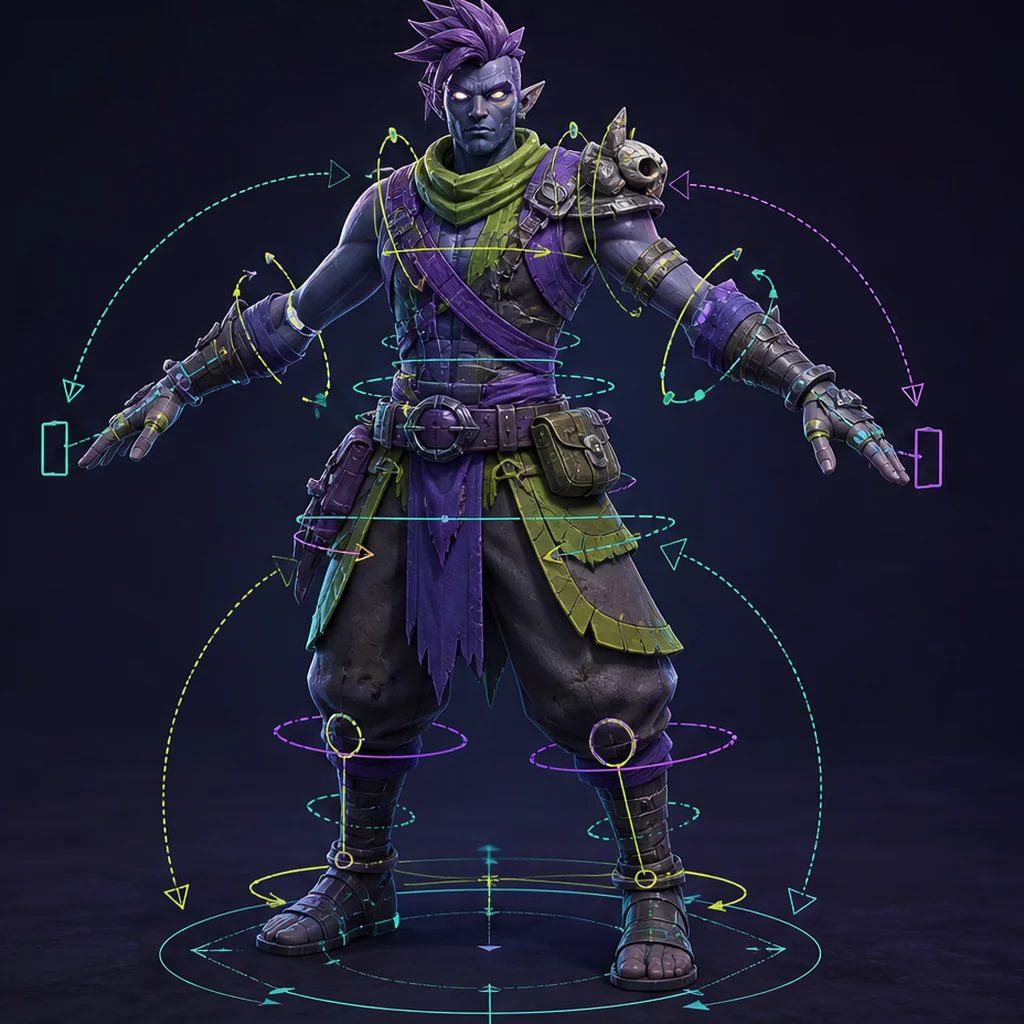
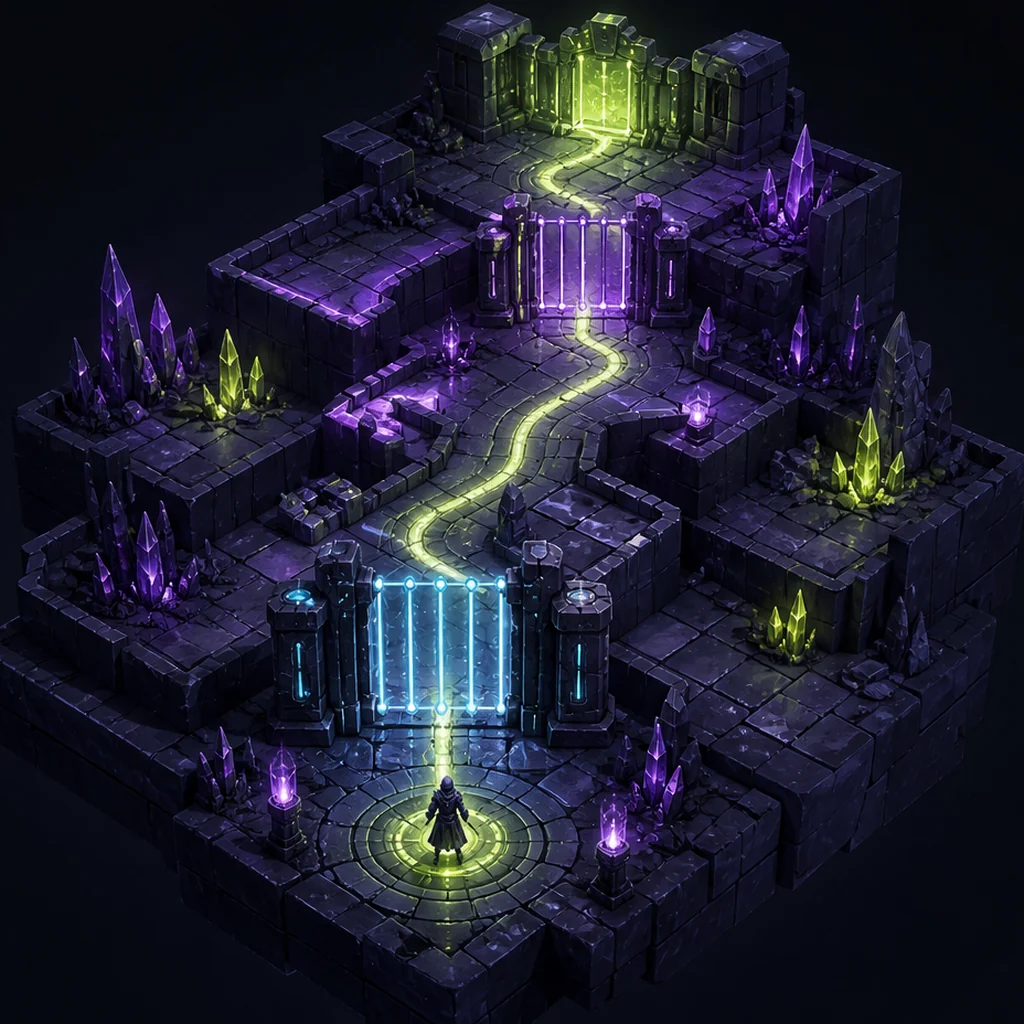
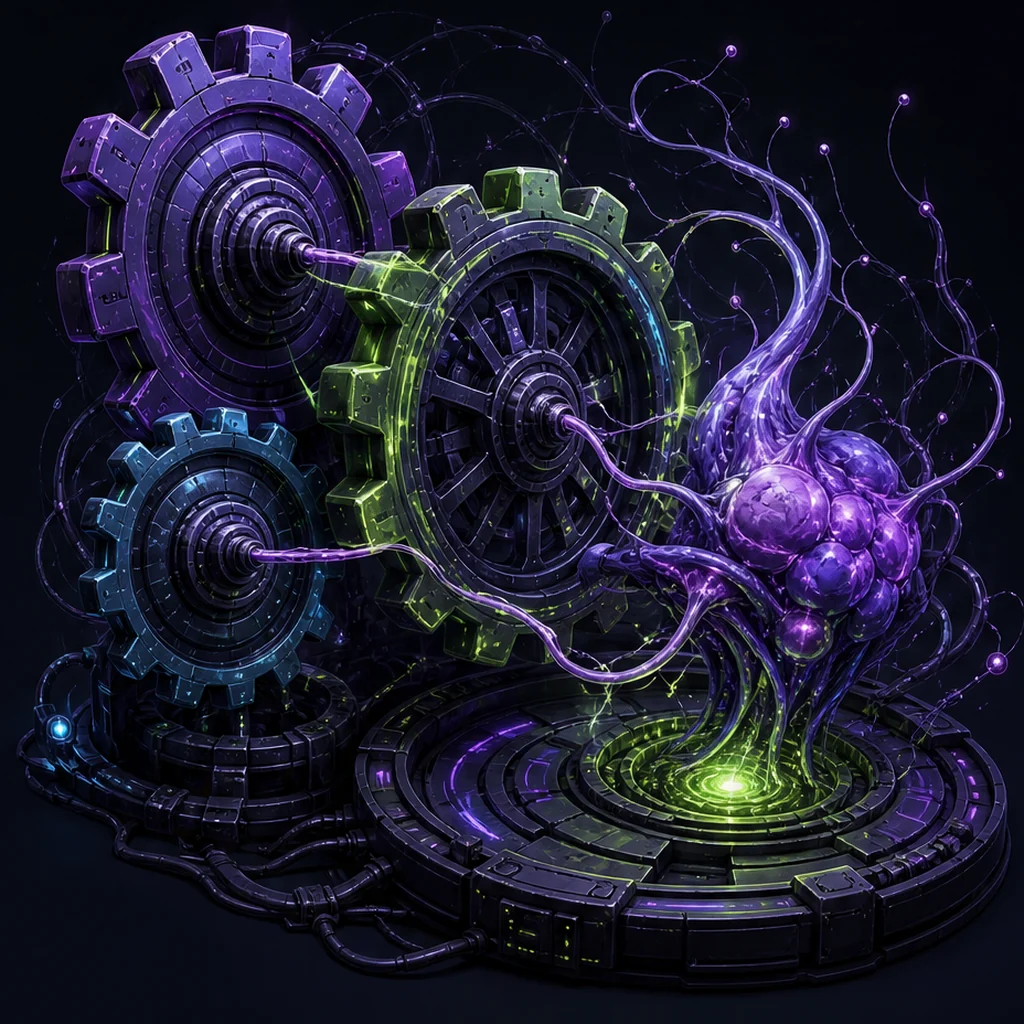
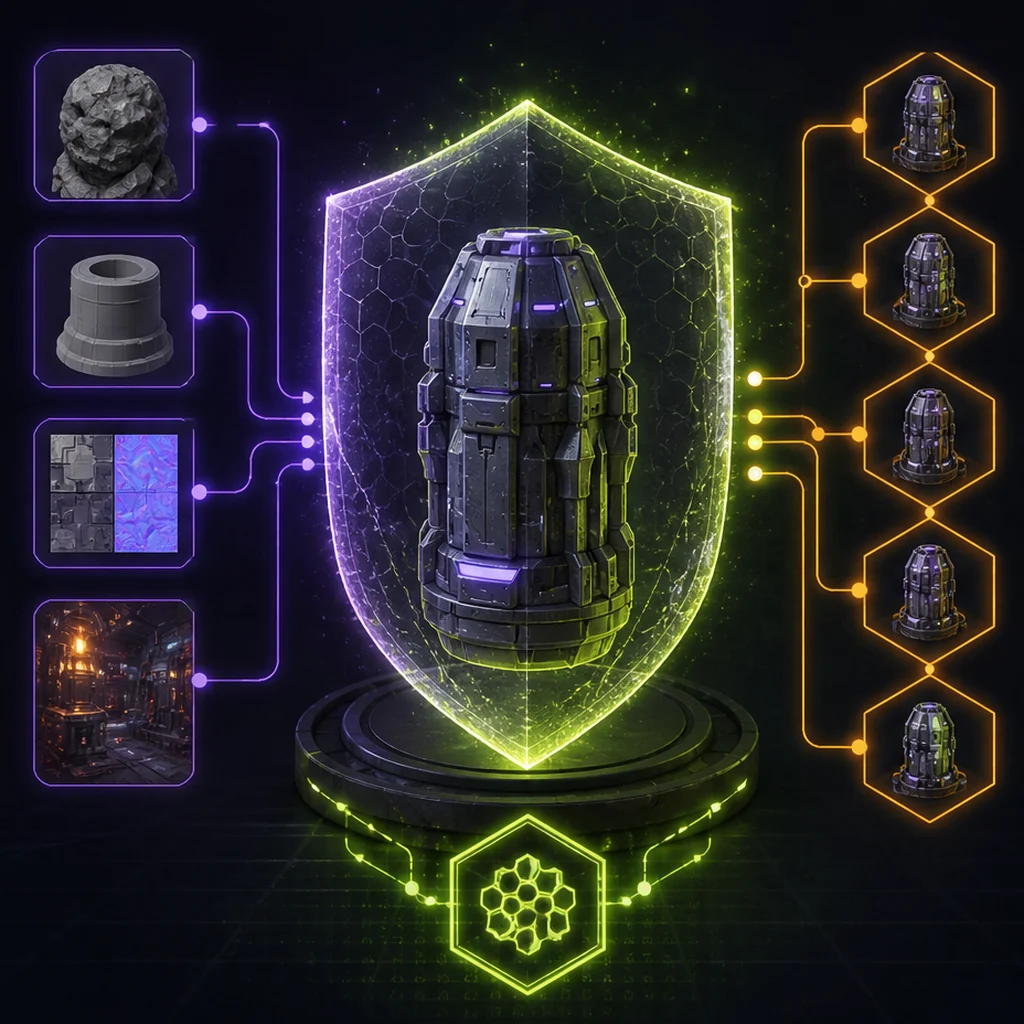
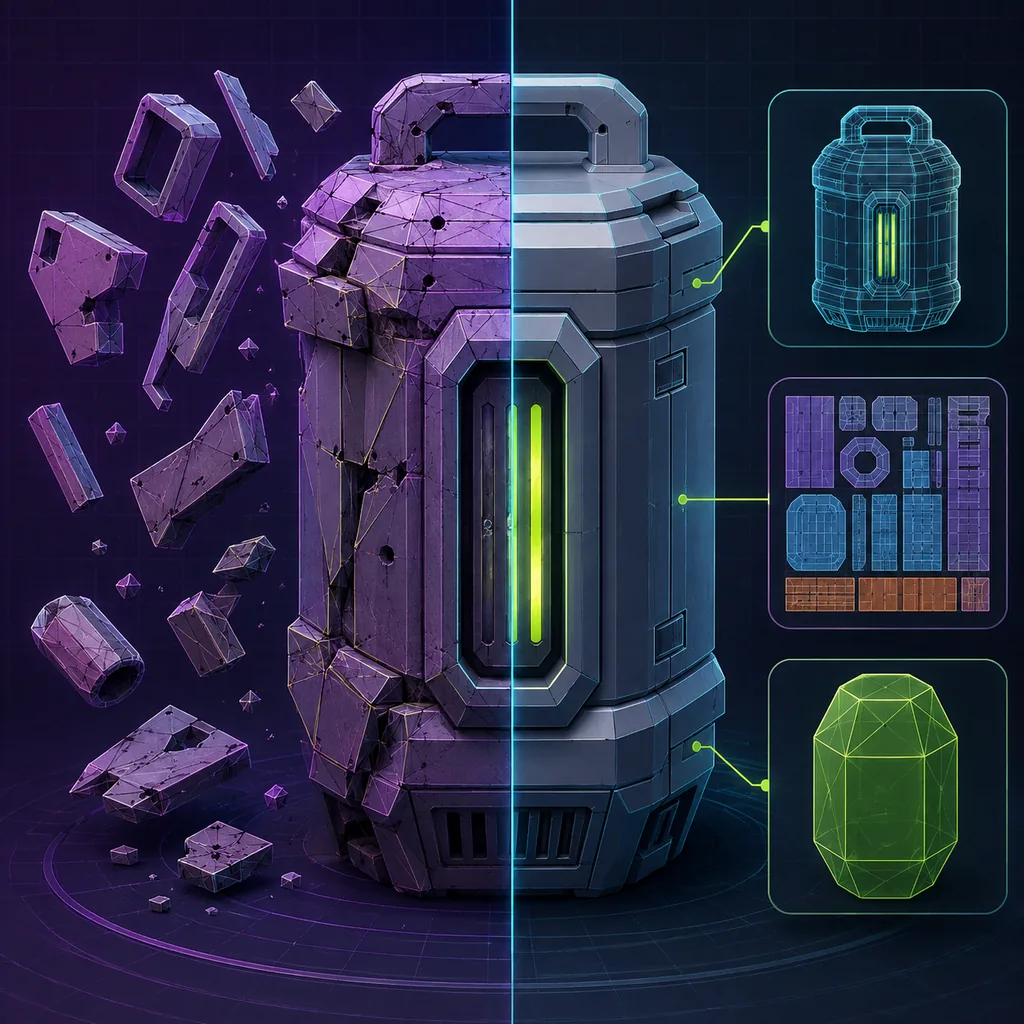
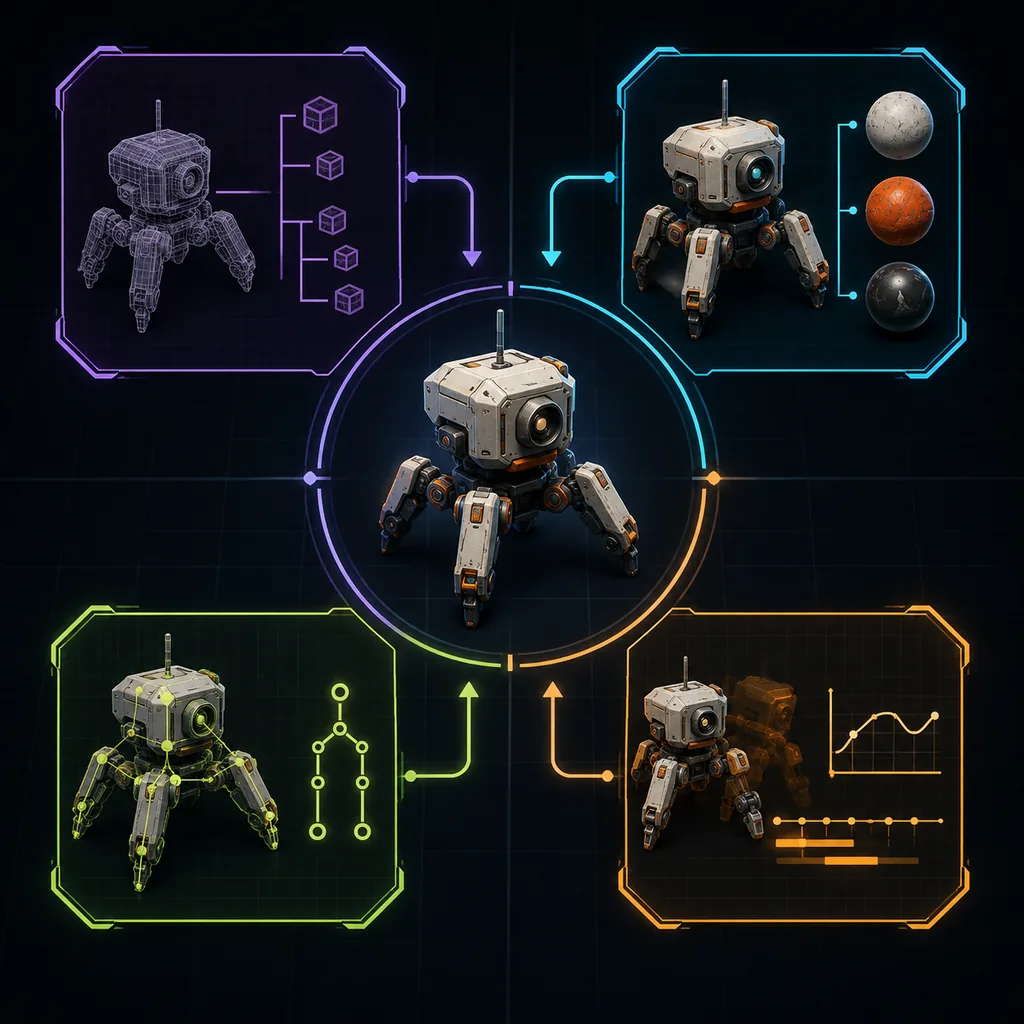
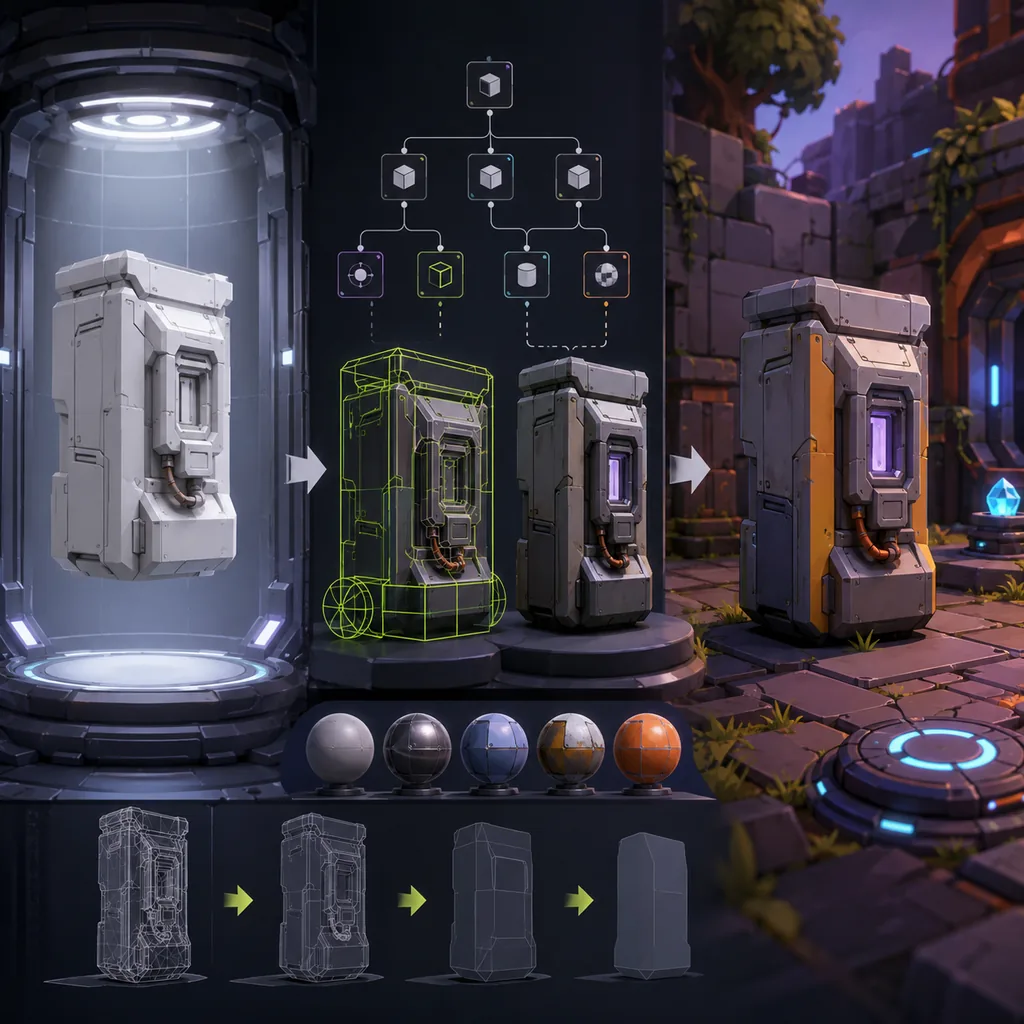
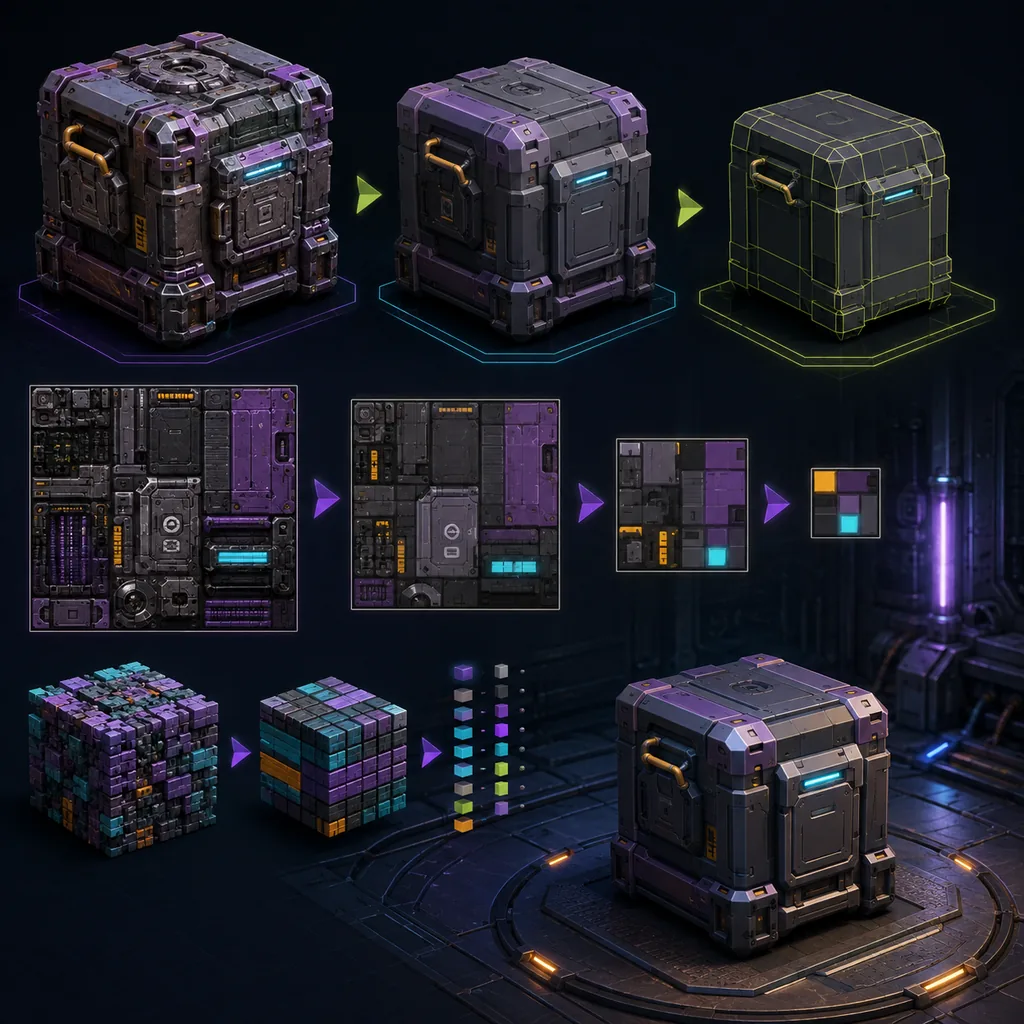
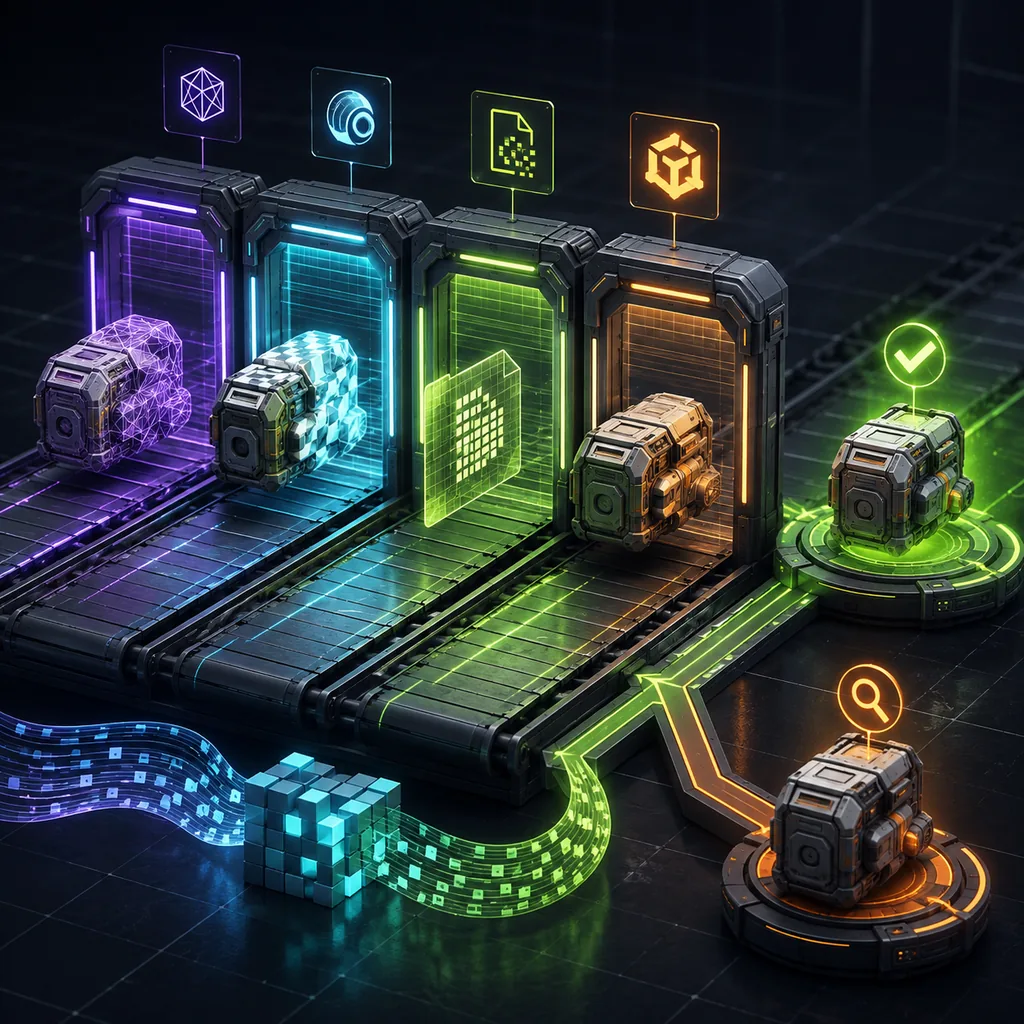
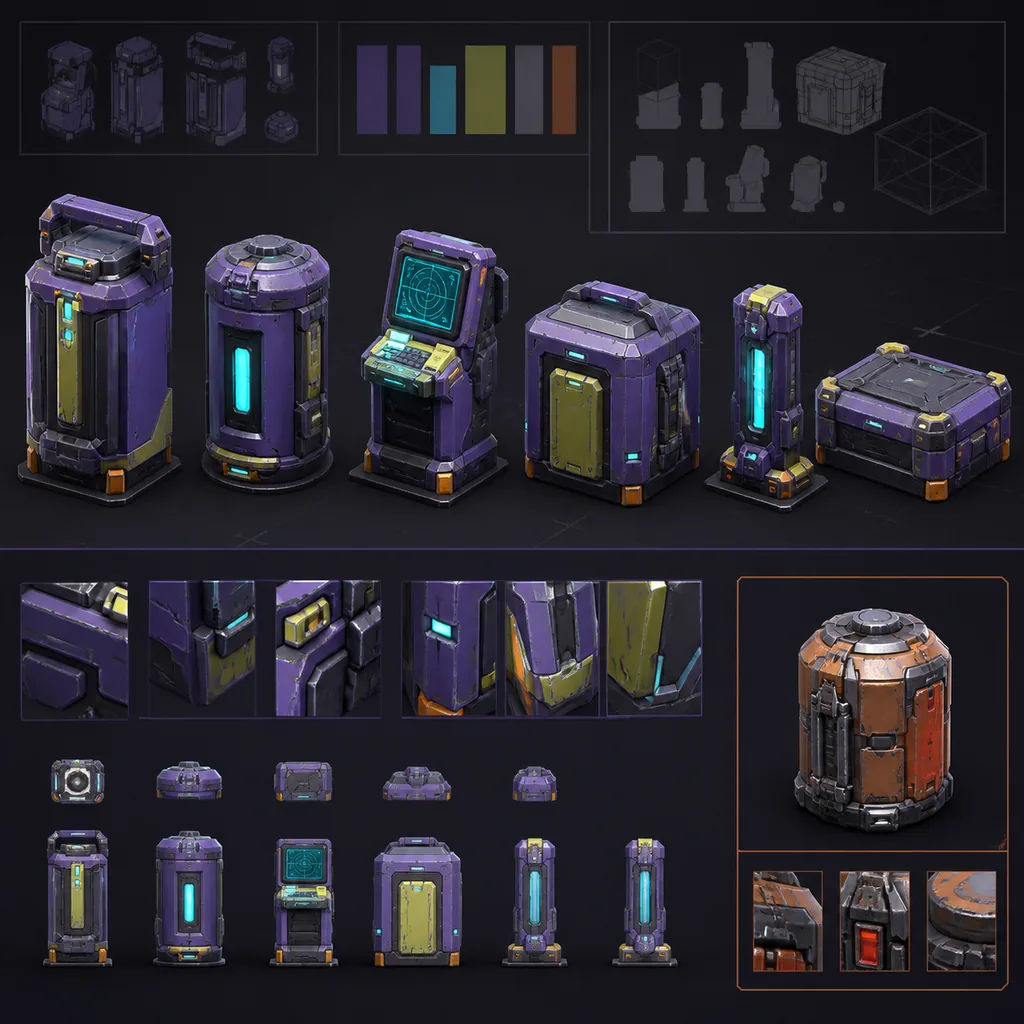
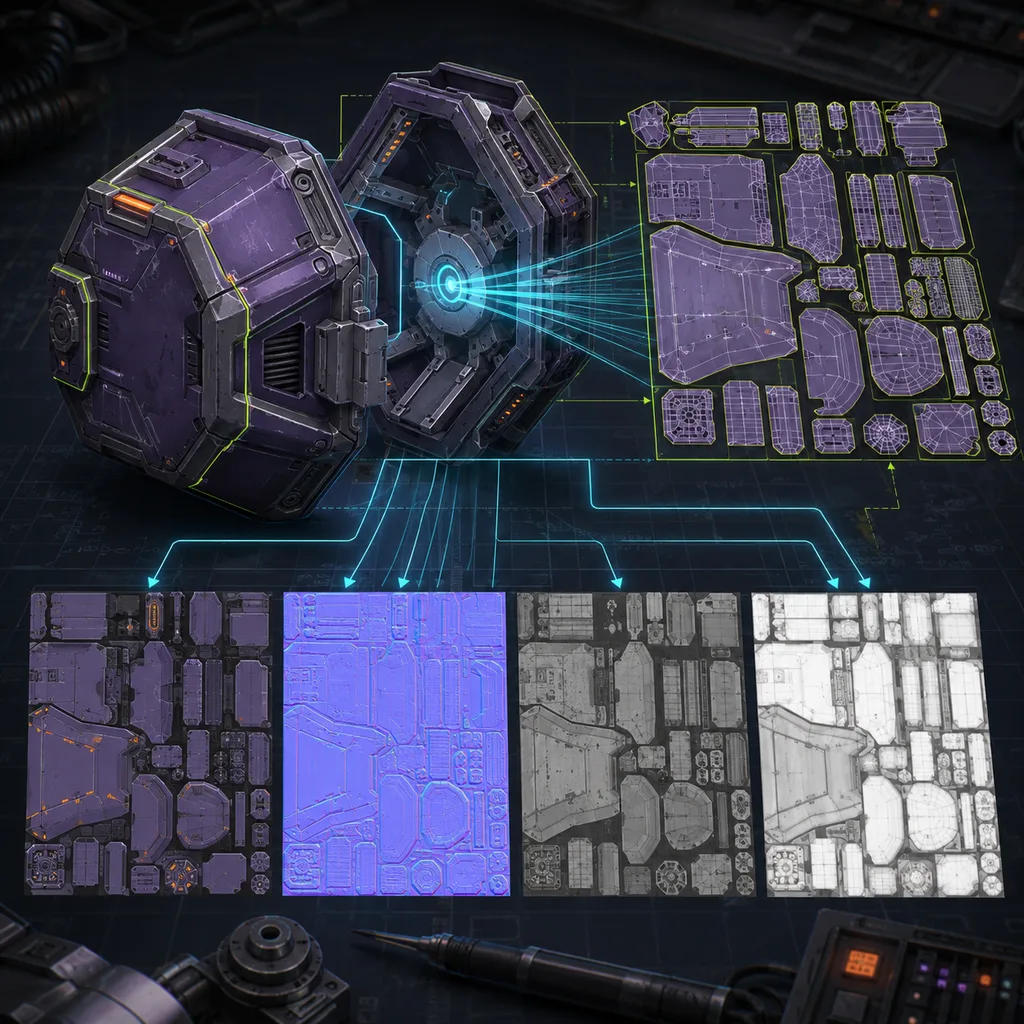
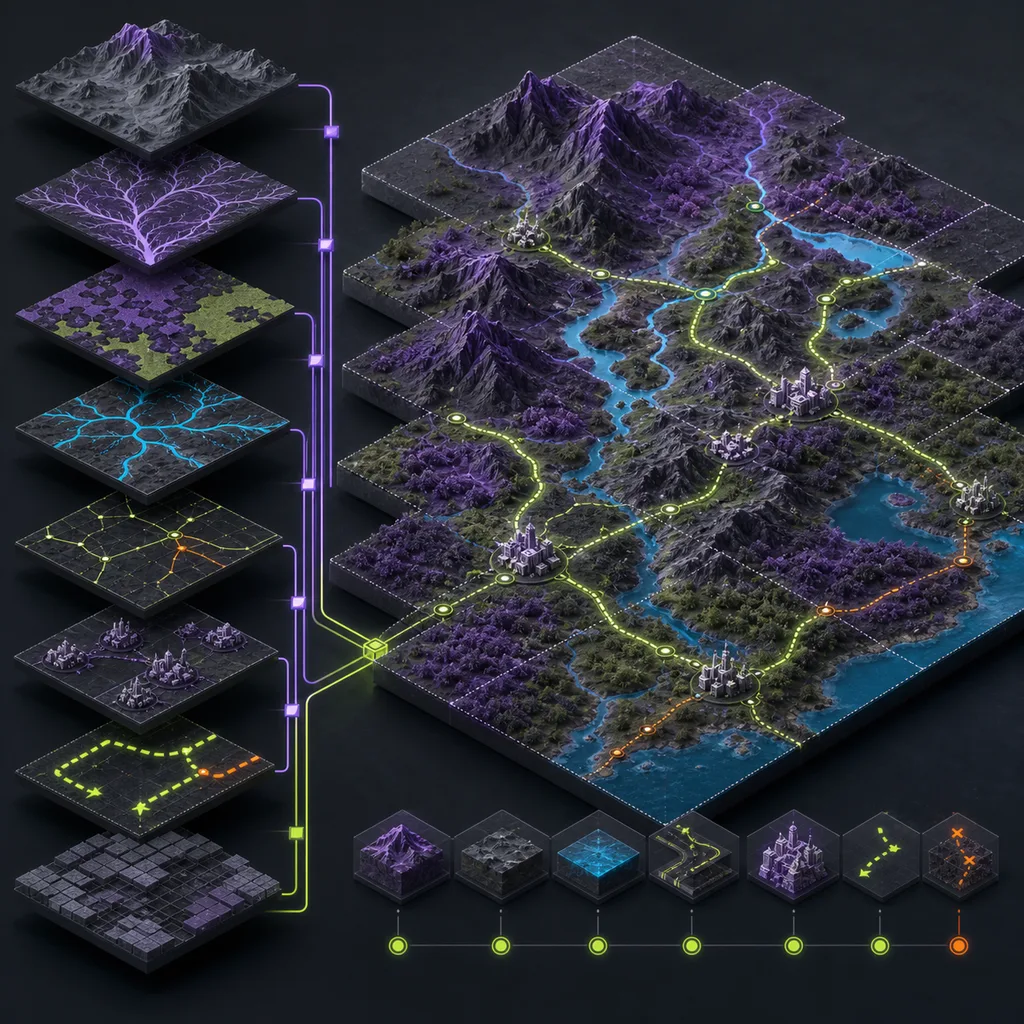
A dimensional research atlas linking mesh, material, level and production knowledge. Original AI-assisted editorial artwork by G3D.AI.
Coverage30 substantive guides
Structure4 hubs / no query-variant pages
StandardPrimary sources + production checks

CHOOSE A GUIDE BY THE DECISION YOU NEED TO MAKE.

The library follows a production sequence rather than a list of loosely related AI terms. Start with the deliverable, identify the uncertainty, and use the corresponding guide to define a test.

Understand the representation

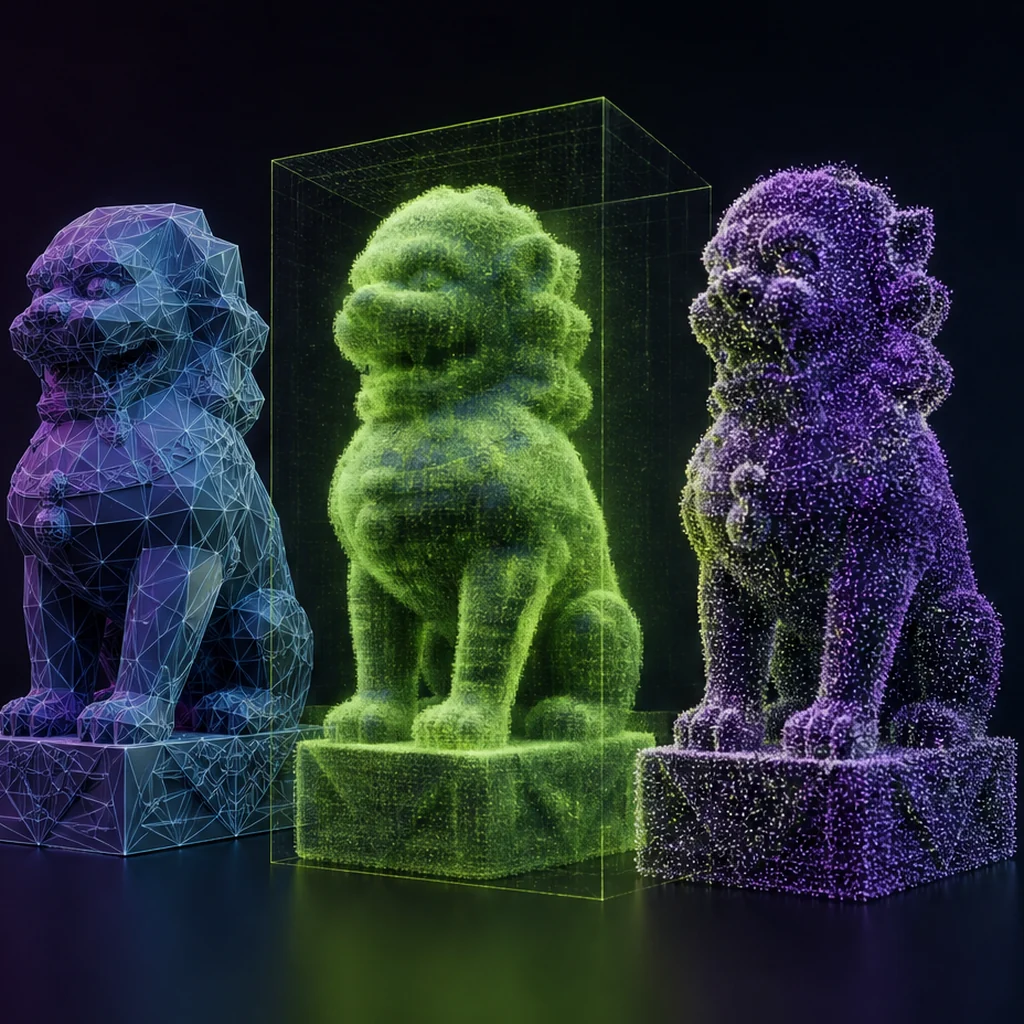
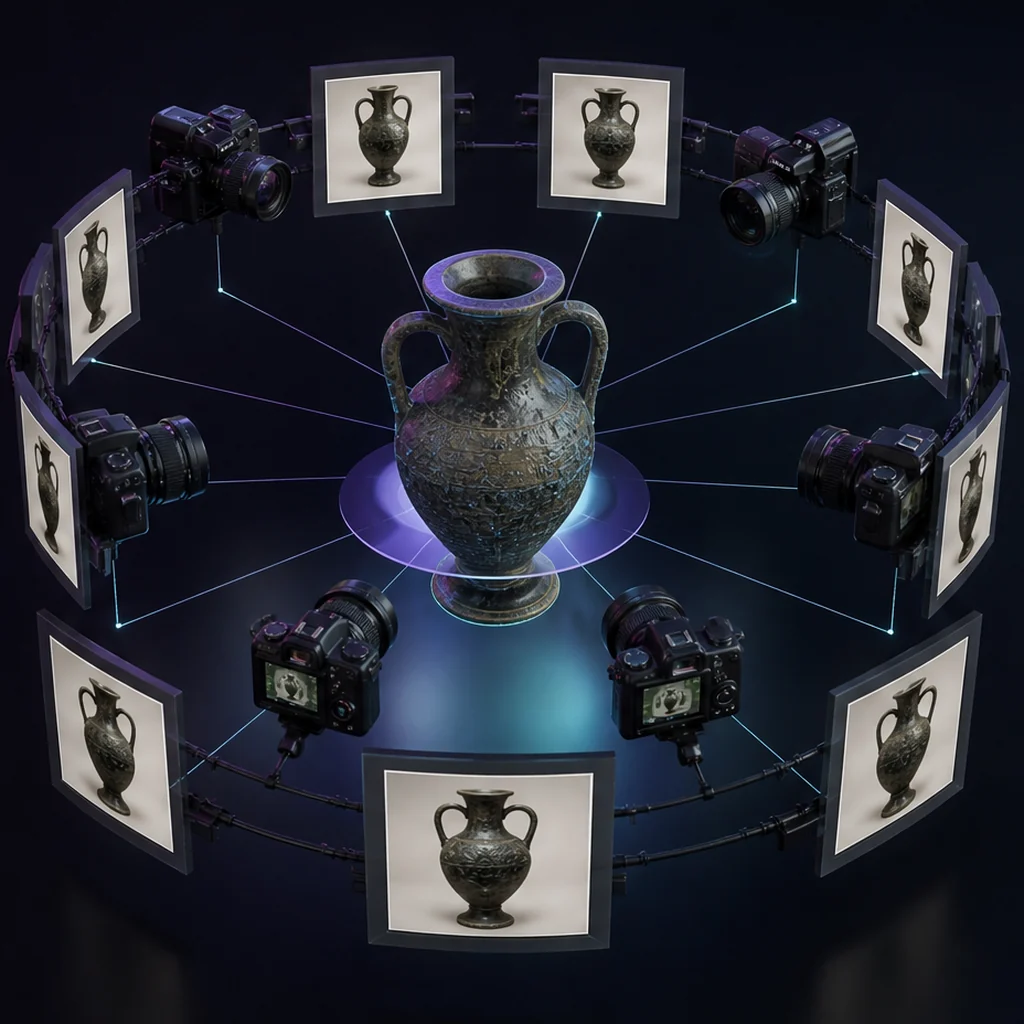
Use the generative 3D foundations guides when you need to distinguish meshes, neural fields, Gaussian splats, text-conditioned generation and image reconstruction. These choices affect editability, collision, lighting and runtime support.


Prepare a game asset

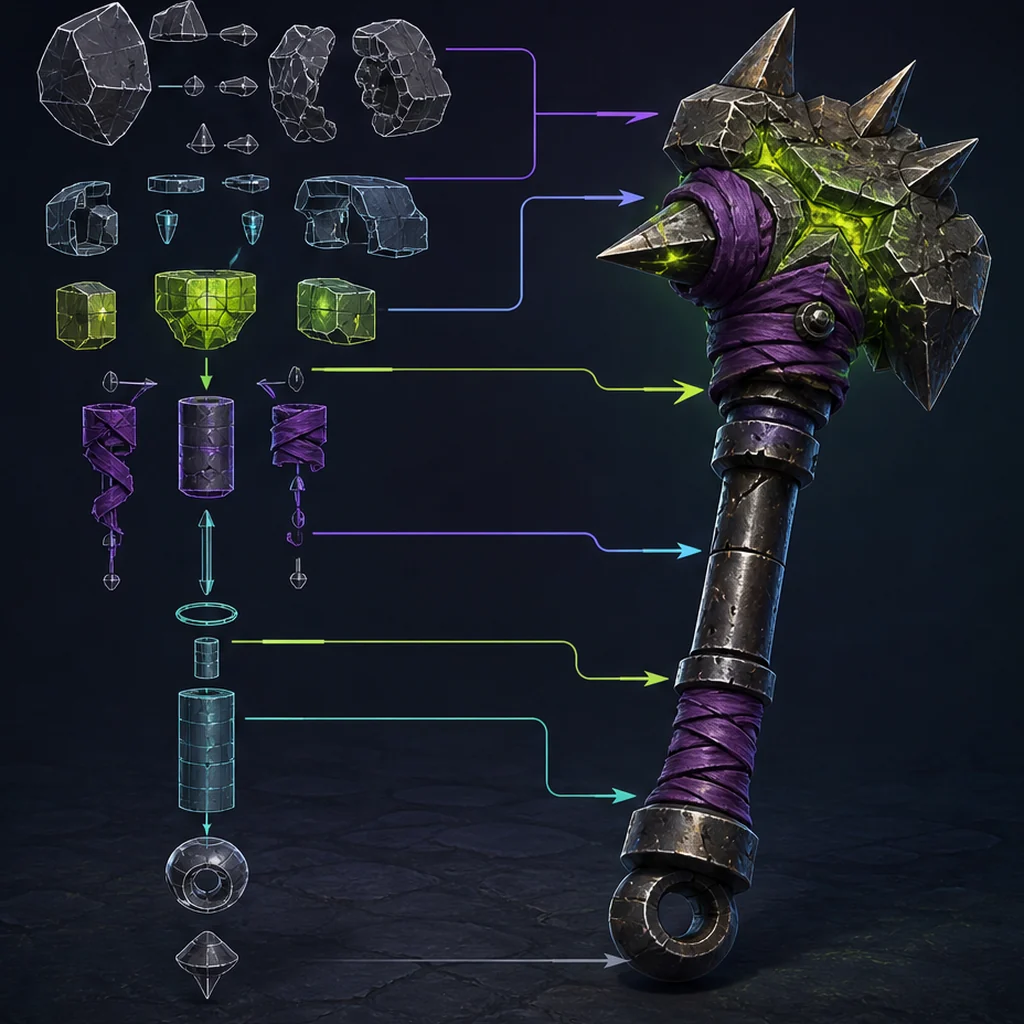
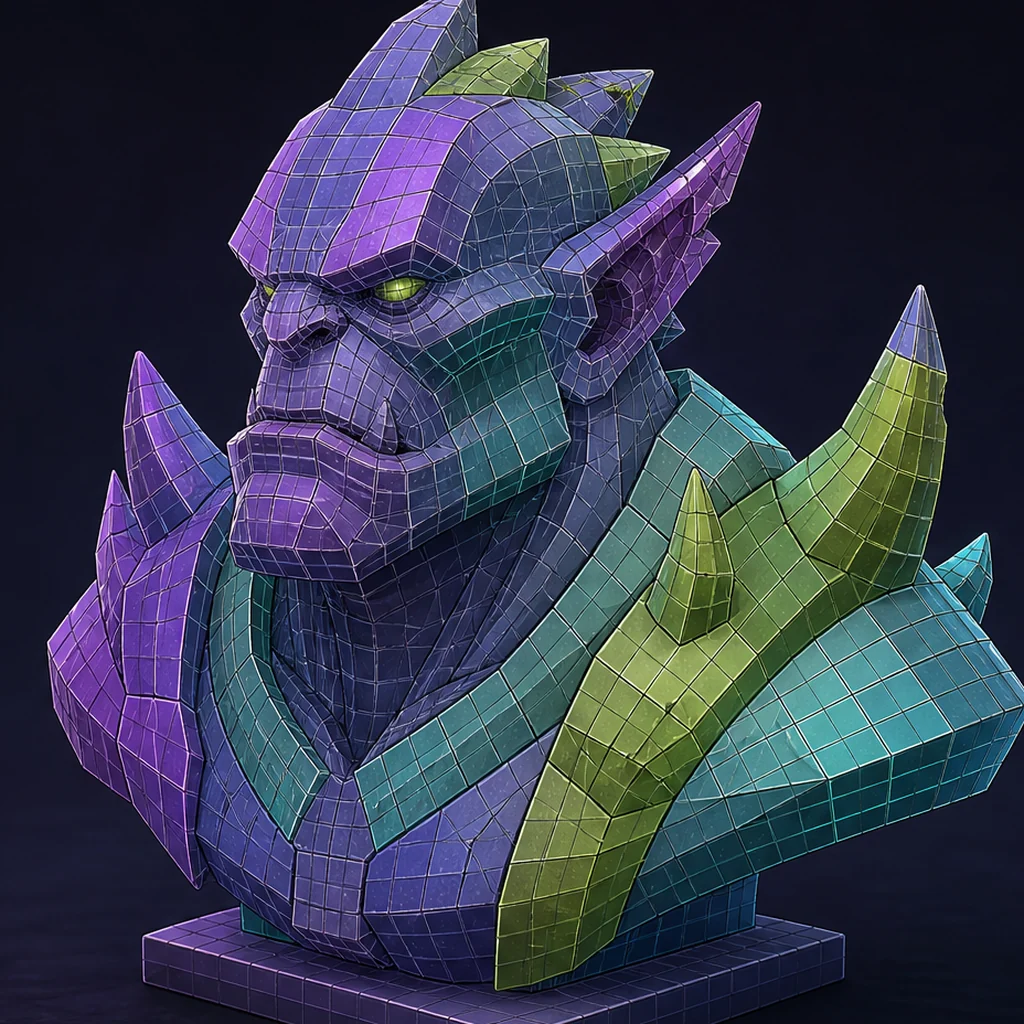
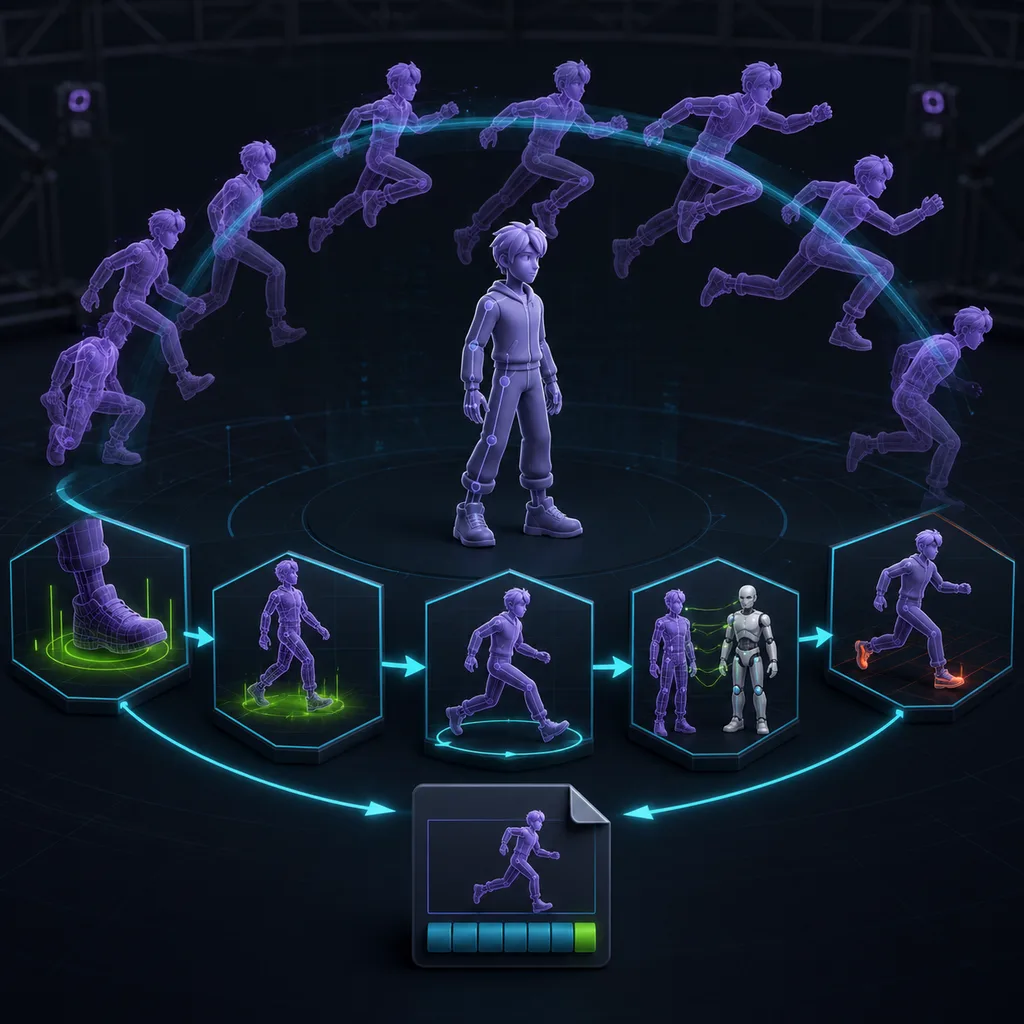
Use the 3D asset-production guides for prompt structure, mesh cleanup, PBR materials, rigging and animation. Each guide turns visual approval into explicit delivery gates.

Explore the four generative 3D topic hubs

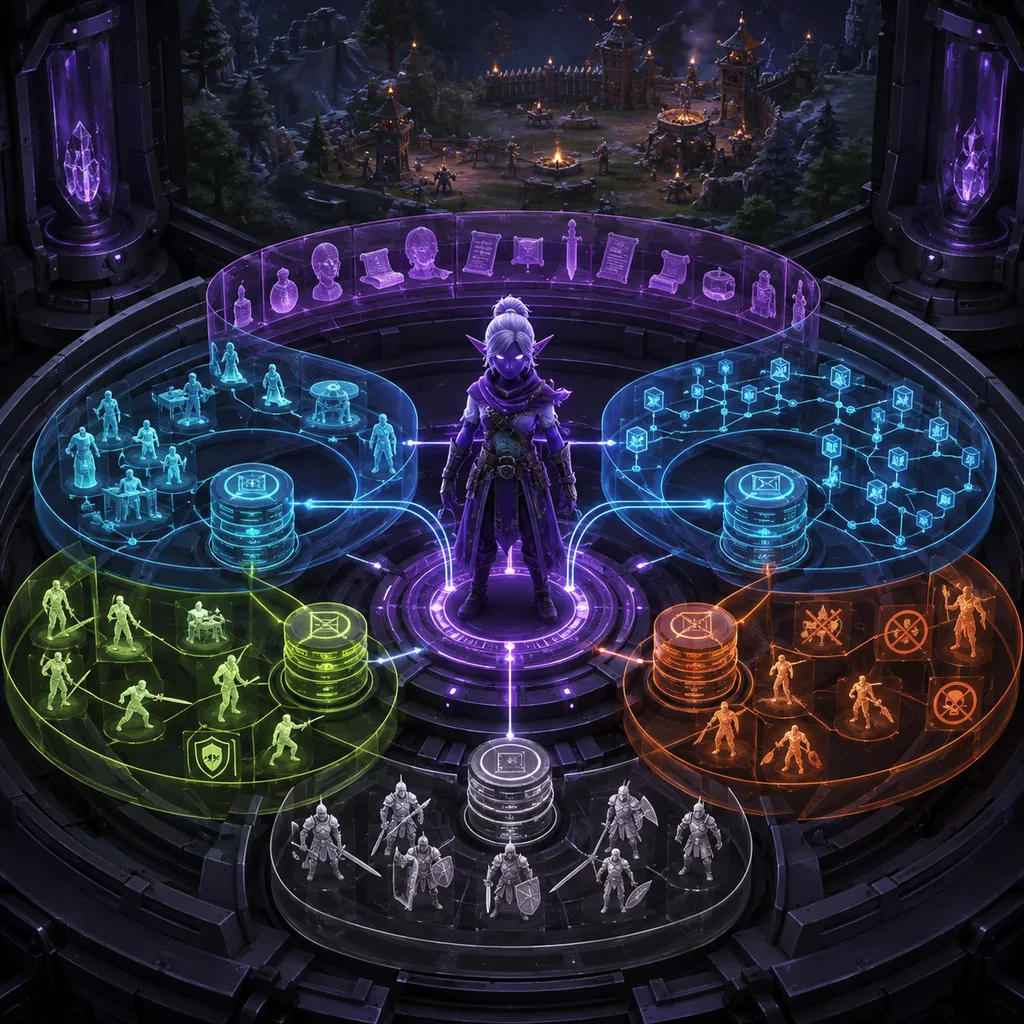
Generative 3D fundamentals for game development AI 3D asset creation and production AI game worlds: levels, mechanics and narrative AI 3D production pipelines and evaluation

Browse by production question

Filter changes only what is visible here; every guide has one stable canonical URL and a clear place in the hierarchy.

WHAT MAKES A FIELD GUIDE ACTIONABLE?

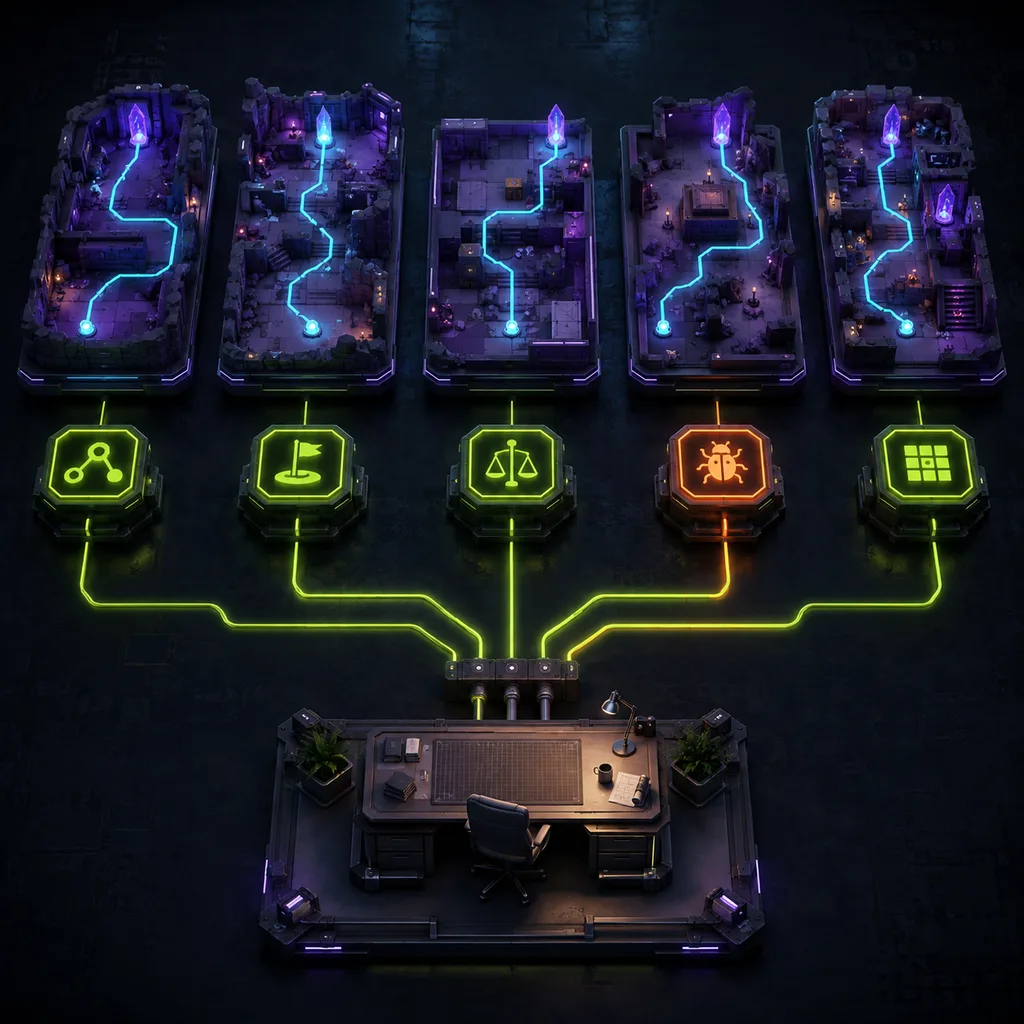
Each guide names the output being evaluated, separates demonstrated capability from production inference, and ends with a task that a team can run. Sources establish technical or institutional facts; the checklist translates those facts into a game-development decision.

When two questions require the same evidence and lead to the same action, they belong on one page. A new route is justified only when it serves a different production decision, needs its own source set, and can provide a distinct example, validation method or comparison.

One useful page beats ten keyword variants.

Related questions live together when they share the same decision and evidence. New pages are added only when they serve a distinct task, need their own source set, and cannot be answered cleanly inside an existing guide.

Read the complete editorial and spam-safety policy →